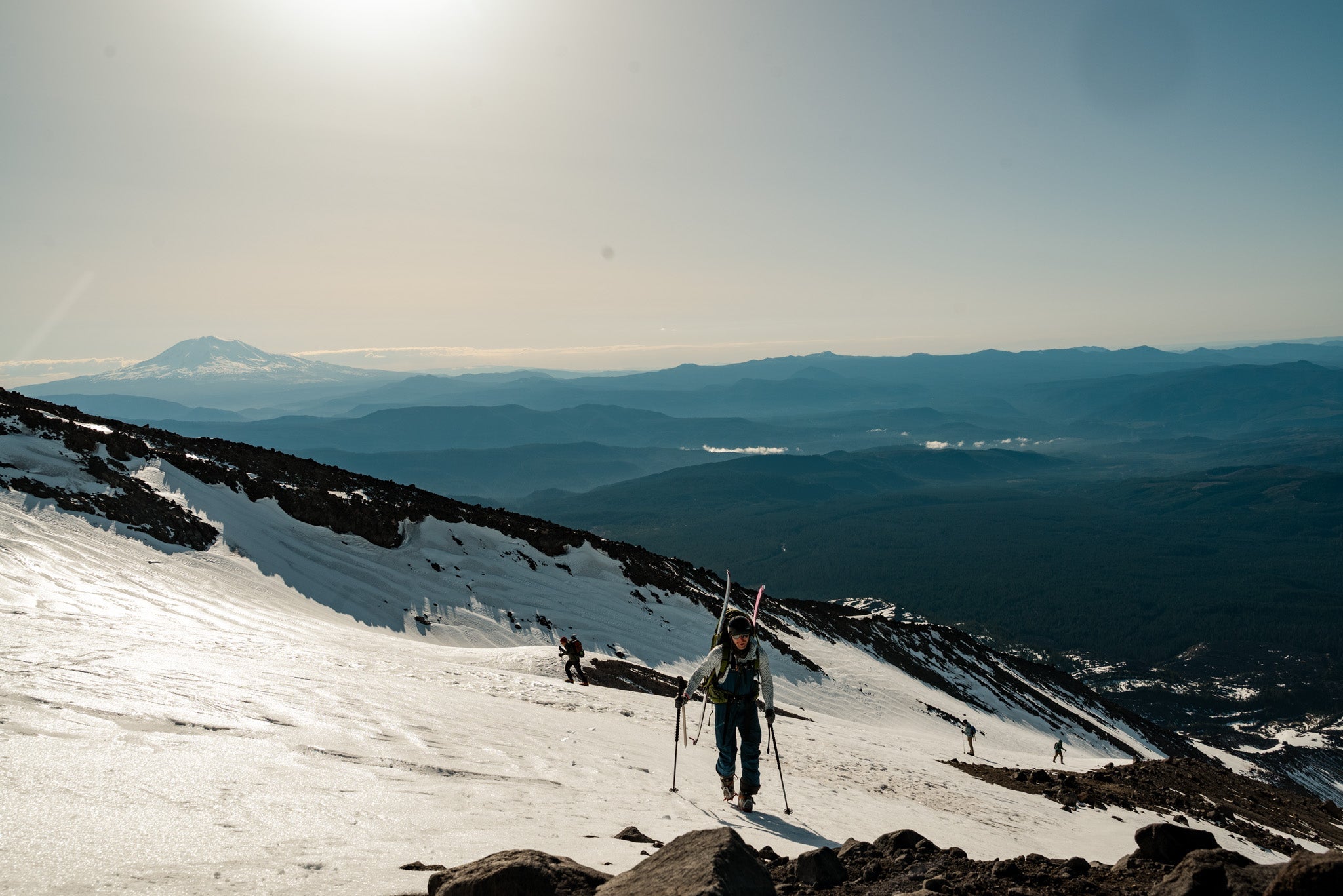
Article: Trail Running 101: How to Get Started on the Trails
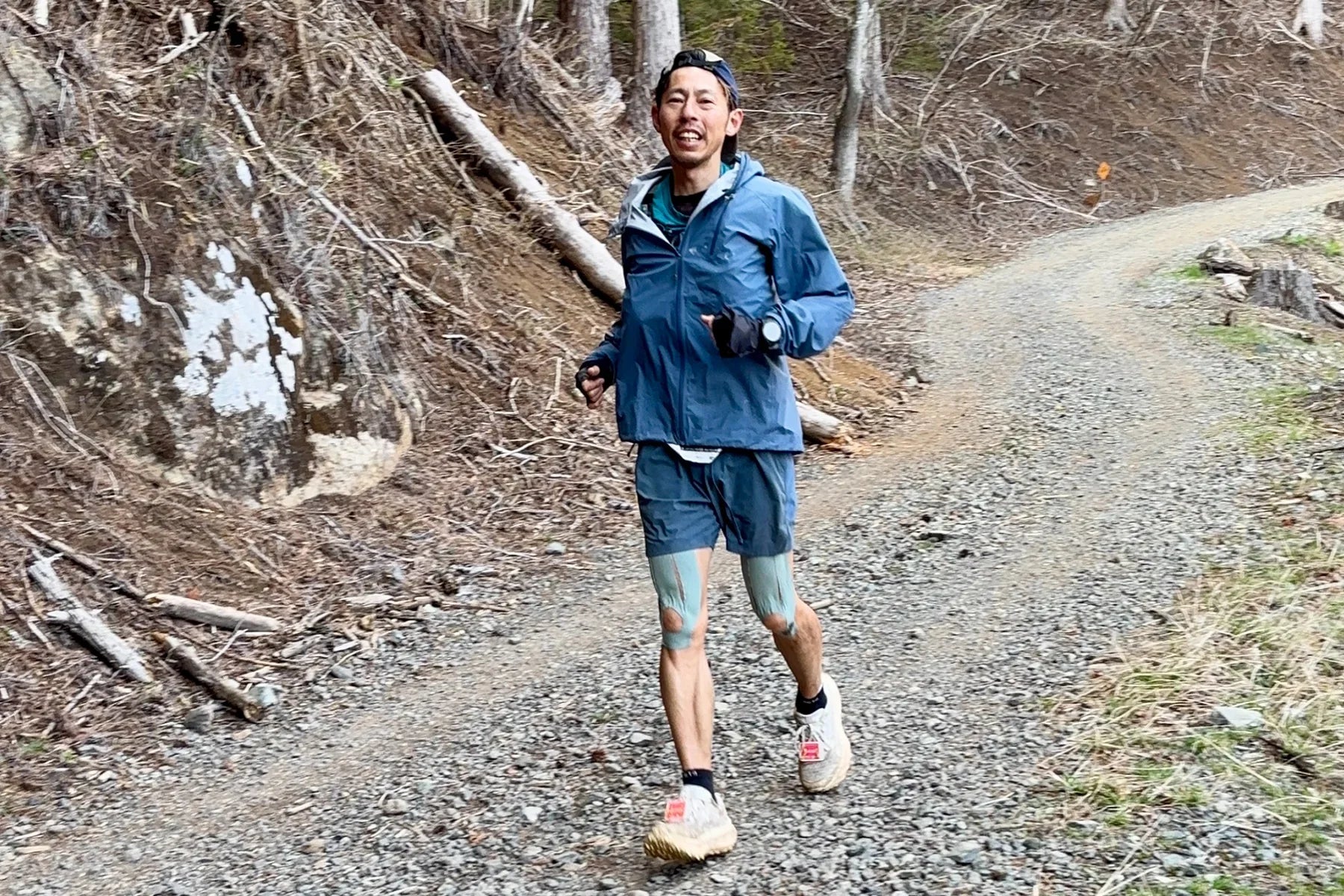
Trail Running 101: How to Get Started on the Trails
Most people get into trail running because they want more out of the time they already spend in the mountains.
More distance before dark. More terrain in a single morning. More freedom to link zones together without committing to an all-day hike every time you want to get above town.
Then the first real climb hits and whatever expectations came from road running usually disappear pretty quickly.
Trail running usually punishes bad decisions a little faster than people expect. Bad pacing, overdressing, carrying too much water, not carrying enough water, blowing yourself up on the first climb because the trail looked shorter on the map than it actually feels under your feet.
Pretty much everyone has a rough first few runs. A lot of early trail runs feel like alternating between breathing too hard uphill and trying not to eat it on the descent.
That’s part of the process.

Pace loses meaning quickly
One of the bigger adjustments for newer trail runners is realizing that effort matters more than pace almost immediately.
On roads, pace tells you something useful. In the mountains, it usually doesn’t.
A smooth section of singletrack can feel effortless right up until it turns steep, loose, sun-exposed, or technical. Then suddenly everyone is hiking, even the people who look fast on Instagram.
Experienced mountain runners stop caring about that pretty early. They move consistently instead. Running where it makes sense. Hiking where it’s more efficient. Settling into a sustainable balance so that they can keep moving efficiently once the terrain starts pushing back.
That’s usually the difference between people who finish a run feeling strong and people who spend the last hour negotiating with themselves.

Most people bring road-running habits into mountain terrain
That adjustment catches a lot of people off guard.
Road runs tend to be consistent. Trail runs interrupt whatever plan you thought you had pretty quickly.
The terrain changes too often for anything else. One mile feels dry and fast, the next turns rocky, shaded, or washed out from runoff. Even familiar trails shift throughout the season depending on heat, snowmelt, or how much traffic they’ve seen recently.
After a while, you stop expecting the trail to cooperate. And honestly, that’s when it starts becoming more enjoyable.
Not because it gets easier, but because you stop trying to force the mountains into behaving predictably.

The gear that matters usually isn’t the flashy stuff
Most experienced trail runners end up simplifying over time.
Not because they care about being minimalist, but because too much gear becomes annoying the second you’re climbing in the sun with a vest full of things you never touch.
The systems that work tend to be pretty straightforward.
Breathable layers that don’t immediately turn clammy once effort picks up. Lightweight shells that disappear into a running vest until weather rolls in. Fabrics that dry quickly enough that you stop thinking about them after the first climb.
You notice pretty quickly which pieces actually move well in the mountains and which ones just looked good standing at the trailhead.

Downhills are awkward for a while
That part never really changes.
Even strong runners look awkward when they first start moving through rocky or uneven terrain at speed. Descents feel hesitant. Foot placement feels overthought. You spend half the run staring directly at the ground trying not to clip a rock or root.
Then eventually your body starts reacting before your brain fully catches up.
You stop overstepping. Your cadence shortens naturally. Downhills stop feeling like controlled falling and start feeling fluid instead.
There’s no shortcut to that progression besides time on trail.
Which is probably why trail runners become so repetitive about just “getting out there.” It sounds overly simple until you realize most mountain movement skills are built exactly that way.

The runners who last usually stay more patient early on
Not physically slower. Mentally slower. They pay attention early.
To pacing. To weather. To hydration. To how different terrain affects energy over the course of a run instead of only during the first few miles.
A lot of newer runners try to muscle their way through mountain terrain at first. Usually the people moving best a few hours later aren’t the strongest, they’re just wasting less energy.
The strongest person in the group isn’t always the one moving best three hours later.
Usually it’s the person who stayed steady, managed heat well, ate early enough, and didn’t waste energy fighting the terrain all morning.

What actually changes after a few weeks on trail
You stop viewing trails as destinations and start seeing them as access.
A two-hour window before work suddenly becomes enough time to get somewhere meaningful. Ridgelines that used to feel “far” become normal evening runs once your movement starts becoming more efficient.
That’s part of why so many skiers, climbers, and mountain athletes eventually drift toward trail running in the off-season. It keeps you connected to terrain in a way that feels useful beyond fitness alone.
You learn weather differently. You notice snowpack longer into summer. You start recognizing how sun exposure changes trails throughout the day.
You spend enough time moving through the mountains that the environments stop feeling separate from the activity itself.
After a while, that’s usually what keeps people coming back.